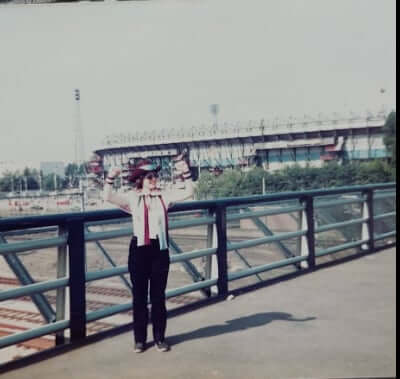
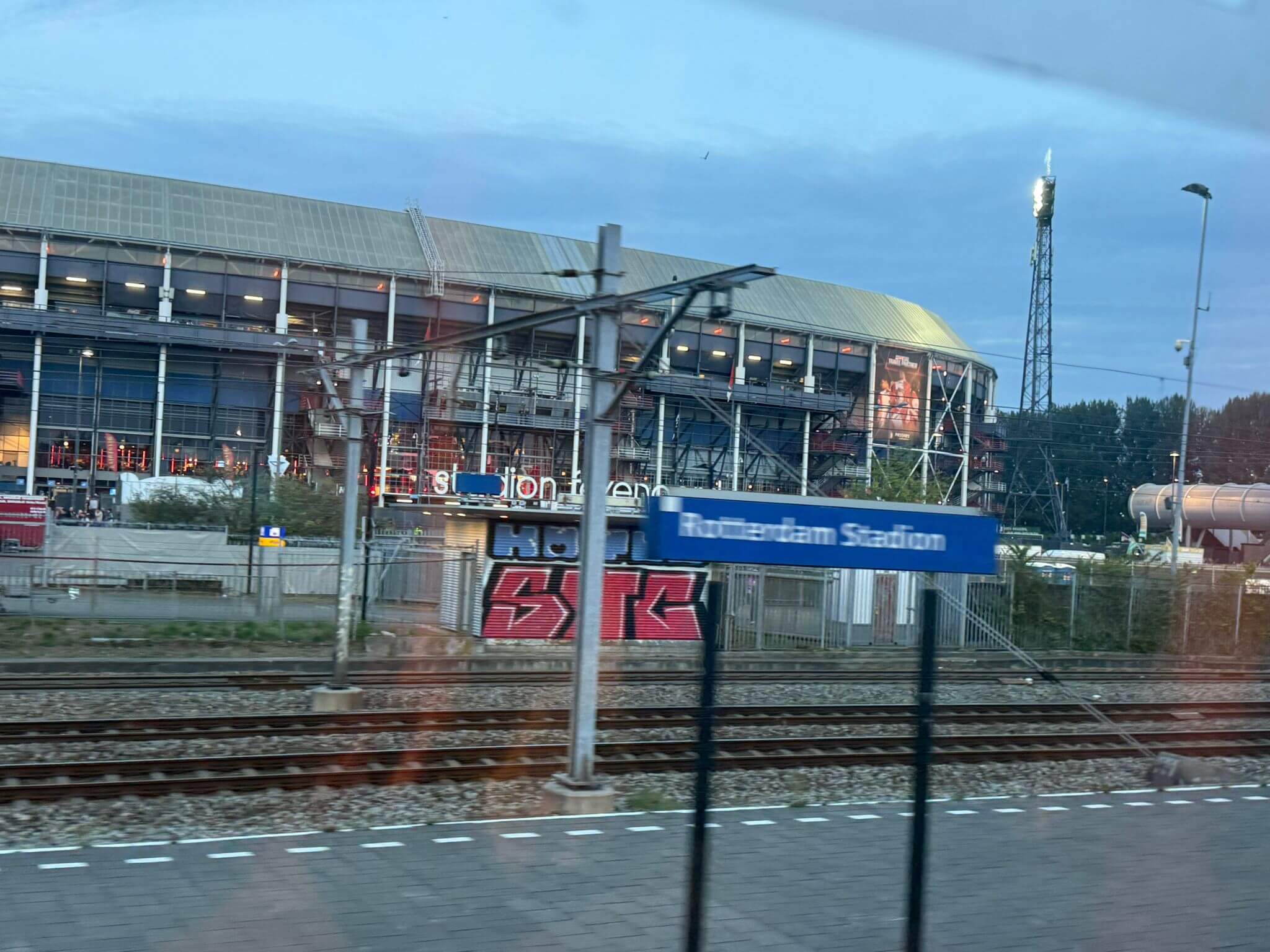

Forty-three years on from that balmy night in 1982, Aston Villa returned to Rotterdam — to De Kuip — the scene of their greatest ever triumph.
For many, it was more than just another European away day. It was a pilgrimage. A chance to stand where Tony Morley danced down the wing, where Peter Withe stuck out a leg and changed the club’s history forever, where Nigel Spink — thrust into action from the bench — became a legend in a heartbeat. That night against Bayern Munich was the night Aston Villa reached the very summit of European football, and now, a generation later, the claret and blue were back — older, wiser, but with the same desire of winning in Rotterdam.
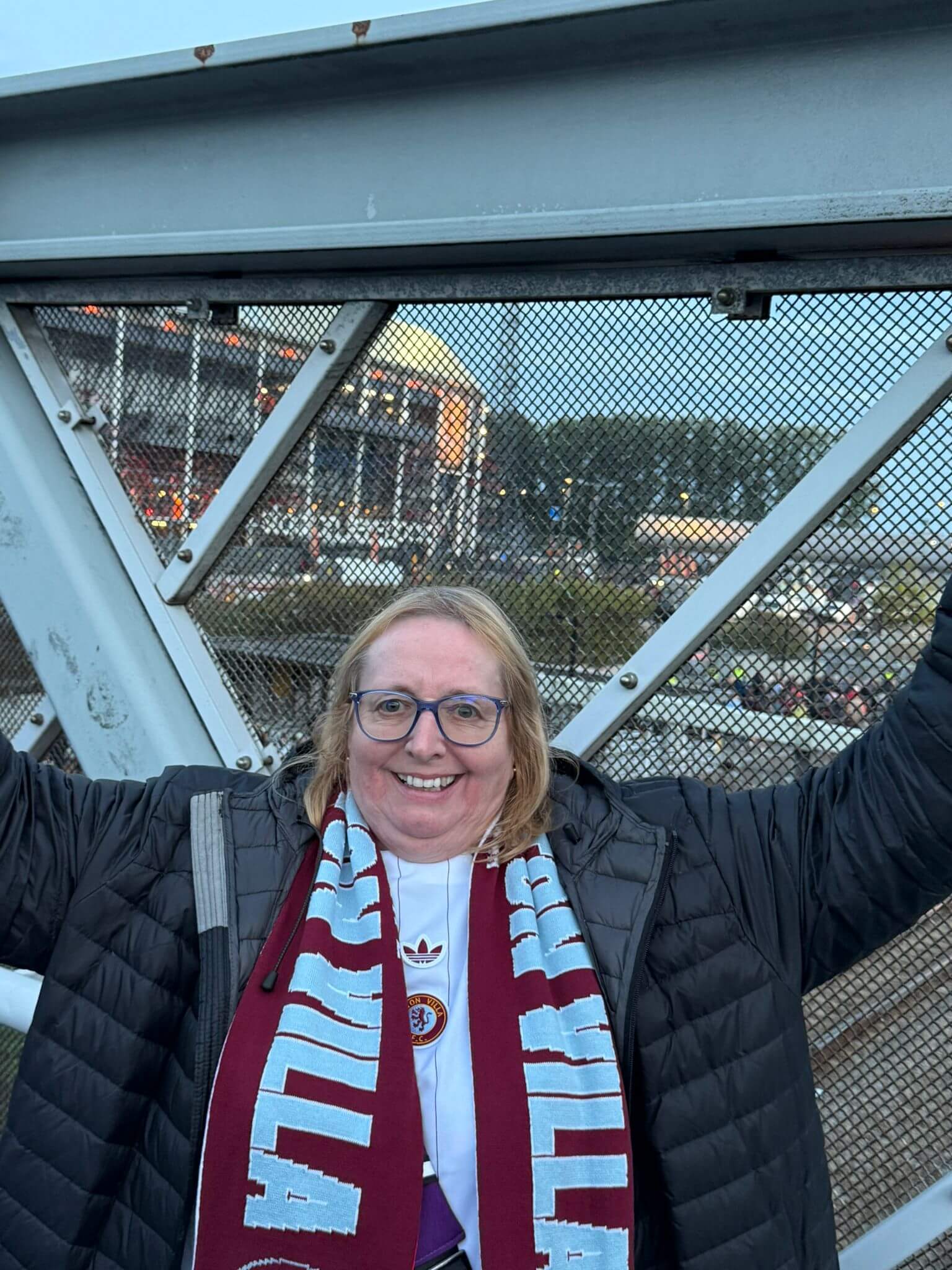
For some, it was a deeply personal return — a nod to fathers, mothers, and grandparents who were there the first time around, or who’d told stories of the glory days with misty eyes and proud smiles. For others, it was a first step into those same footprints, a chance to feel what it must have been like back then — to breathe in the air of a place forever etched into Villa folklore. Walking through the streets of Rotterdam, scarf around the neck and song in the heart, it felt like time itself had folded in on itself. De Kuip stood there as it always had: grand, proud, steeped in history. It wasn’t just a stadium anymore — it was a shrine for those of Claret and Blue persuasion.
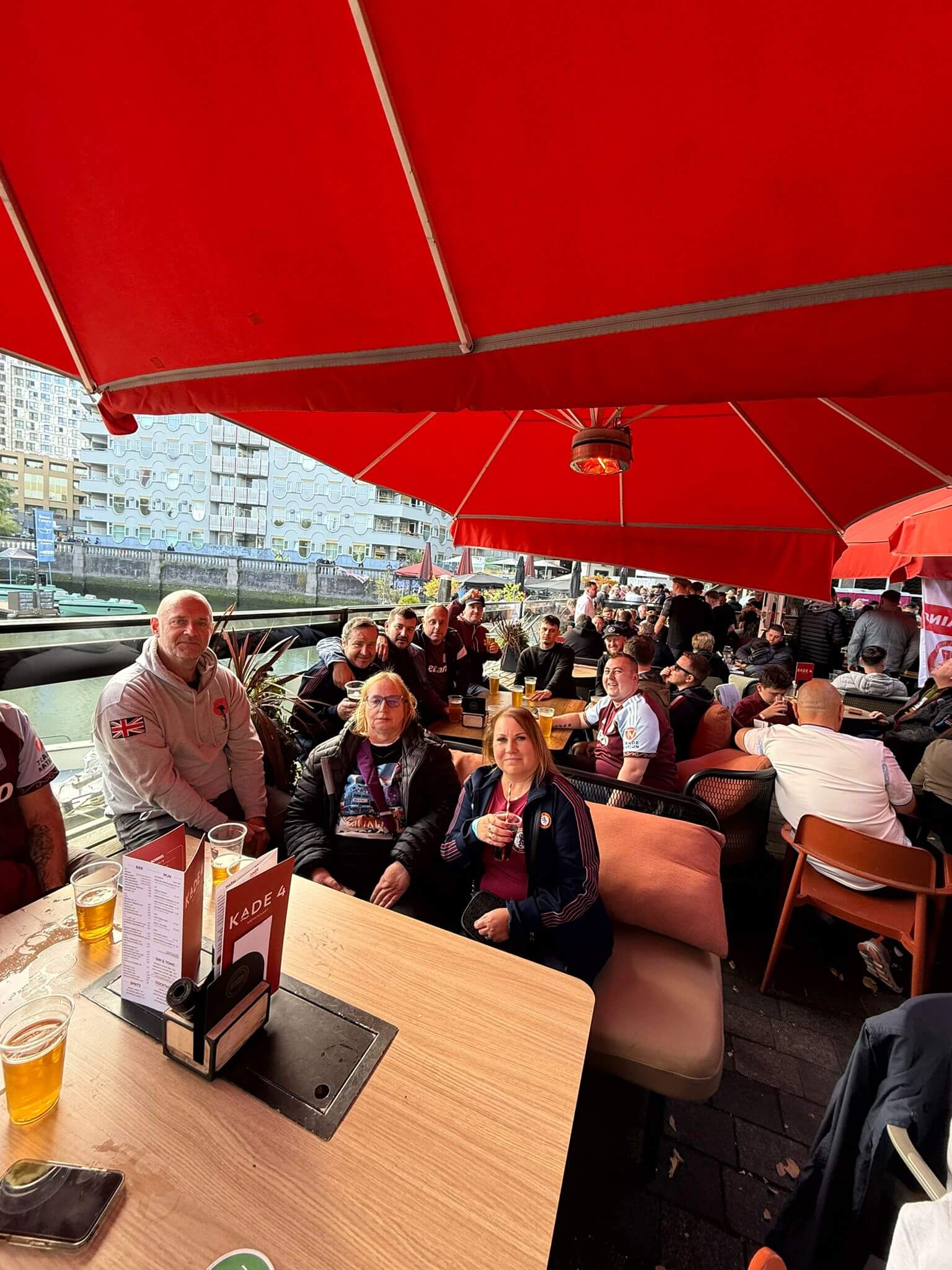
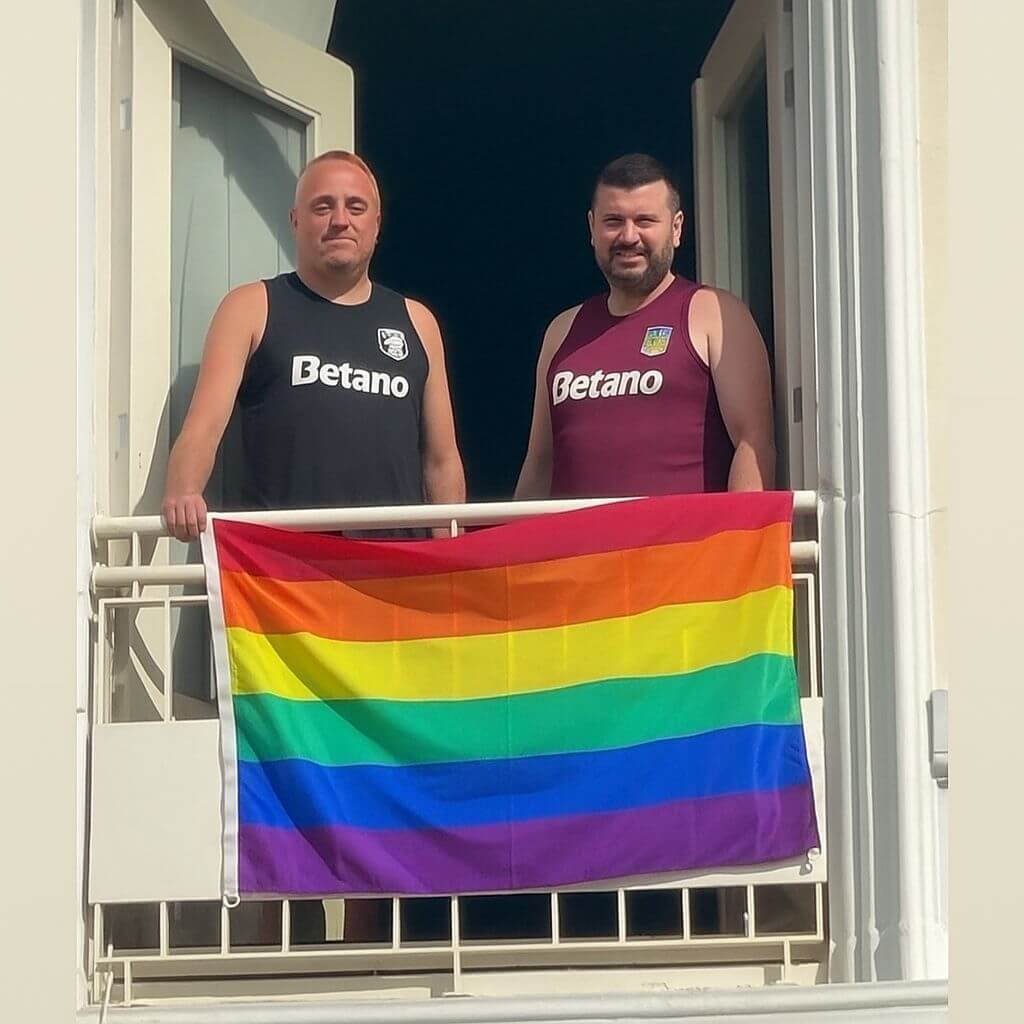
The day before the match had all the makings of a European away trip to remember. The bars of Rotterdam were awash with claret and blue, the canals echoing with the familiar chants of “Holte Enders in the Sky” and “Sweet Caroline”, “Unai Emery’s Claret and Blue Army” to name but a few. Laughter spilled out onto the streets, old friends reunited and new ones made over pints and memories. There was a spirit about the place — a mixture of pride that Villa were back here, on this stage, where their immortals once stood. By nightfall, the city glowed with anticipation. Fans partied long into the small hours, songs and stories shared until voices gave way to hoarse, happy silence.
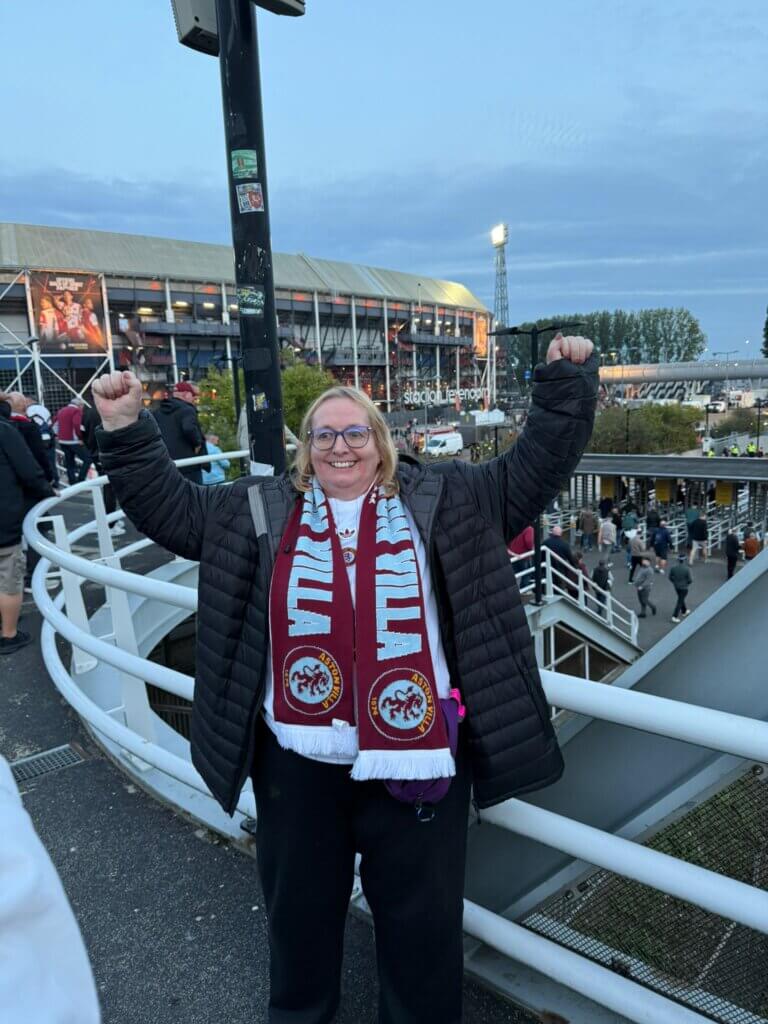
Matchday dawned bright but chilly and full of promise. The fanzone buzzed with energy — flags draped, drums beating, and smiles everywhere. It wasn’t just a football match; it was a homecoming. Supporters spoke of their parents and grandparents who had been here in ’82, of what it meant to wear those same colours in that same city. Yet, as the crowd began to make its way toward De Kuip, difficulties emerged. Long queues and confusion outside the ground tested tempers and patience alike. For some, it felt a cruel twist — to have travelled hundreds of miles to relive history, only to be held at the gates. But even then, the Villa faithful stood strong, singing through the frustration, defiant as ever.
And when they finally made it inside, it was worth every second. Under the floodlights of De Kuip, Aston Villa once again rose to the occasion. With determination and style, they swept to a 2–0 victory — a performance that felt almost poetic. The modern-day heroes had honoured those who came before them, writing a new chapter in the same sacred setting. When the final whistle blew, the noise was deafening — a roar that carried across the night and back through the decades.
As the fans drifted back into the Rotterdam night, there was a sense of something profound — of connection, of legacy, of love. The past and present had met in that old stadium once more. For Aston Villa and everyone who follows them, this was more than a match. It was a celebration of who they are, where they’ve been, and where they’re going. De Kuip had given them glory once — and now, four decades later, it had given them something almost as precious: the feeling that history, no matter how distant, is never truly gone.
Dan Lambert